Discover a sustainable make-money online strategy that focuses on niche authority and ethical marketing. Learn how to build a long-term digital business in 2026.
Most “make money online” advice fails for one simple reason: it asks beginners to do advanced things on day one. Build a perfect funnel. Run ads with a budget you don’t have. Post 60 videos a week. Cold pitch strangers. Or worse—buy a “system” that never explains what you should actually do on a normal Tuesday.
This guide is different. It’s a strategy you can explain in one sentence, start in one afternoon, and grow without pretending you’re an influencer or a tech wizard.
The strategy in one sentence
Create helpful, searchable content that solves real problems, then earn from it ethically through affiliate offers that genuinely match what your readers already need.
That’s it. No hype. No magic. Just a model that compounds: one good piece of content can keep bringing visitors—and income—for months or years.
Why most online income plans feel confusing
Online business advice often mixes together five different business models and calls it “a strategy.” But each model requires different skills, timelines, budgets, and risk tolerance. That’s why people feel stuck: they’re trying to follow instructions that don’t match the kind of business they’re actually building.
Here’s the simplest way to bring clarity back:
- Fast money usually means trading time for money (services, freelancing, gig work).
- Scalable money usually means building an asset (content, email list, product, software, community).
- Low-risk scaling usually means starting with organic traffic (SEO, social search, YouTube search) before spending on ads.
The strategy in this post focuses on scalable, low-risk online income. It won’t make you rich by Friday. But it does something far better: it gives you a path you can actually follow.
Fact-safe reality check: how long does it take?
Results vary wildly, so any “guarantee” you see online should be treated like entertainment—not a plan. A more realistic expectation is:
- Weeks 1–4: learning the basics, publishing your first helpful pages, getting your setup clean.
- Months 2–3: early clicks, first search impressions, small wins, better consistency.
- Months 4–9: compounding content, stronger rankings, steadier affiliate conversions (if your niche and offers fit).
The “secret” is not a hack. It’s momentum. Most people stop right before the compounding starts.
Pick a niche that pays without making you miserable
If you want to make money online with affiliate marketing, your niche needs three things:
- Real problems people search for (not just “cool topics”).
- Buyer intent (people are already spending money here).
- Content depth (you can publish 30–100 helpful pieces over time without repeating yourself).
Examples that often work well for beginners because the problems are clear:
- Home tech and smart devices
- Personal finance basics (budgeting tools, side income, saving)
- Health-adjacent “lifestyle support” (sleep setups, air quality, posture, productivity—avoid medical claims)
- Beginner-friendly creative skills (writing, design tools, publishing workflows)
- Hobbies with accessories (3D printing, photography, camping)
Best beginner rule: choose a niche where you can answer questions better than the average search result—without needing a PhD.
The content plan that actually makes sense
Most people start by writing whatever they feel like. That’s how you end up with 17 random posts and zero direction. Instead, use a simple three-layer content system that builds authority and captures search intent from different angles.
Layer 1: One pillar page (your “hub”)
Create one in-depth guide that covers the core topic your site is about. This becomes the page you link to internally from smaller posts.
Layer 2: Supporting posts (problem solvers)
These target specific questions people search for:
- “How to…”
- “Best…”
- “X vs Y”
- “Is it worth it?”
- “Beginner mistakes”
Layer 3: Money pages (ethical buyer guides)
These are comparison pages and reviews—but written like a helpful friend, not a salesperson. They exist because your reader already wants to buy something. Your job is to help them buy the right thing.
How to earn affiliate income without turning your site into an ad
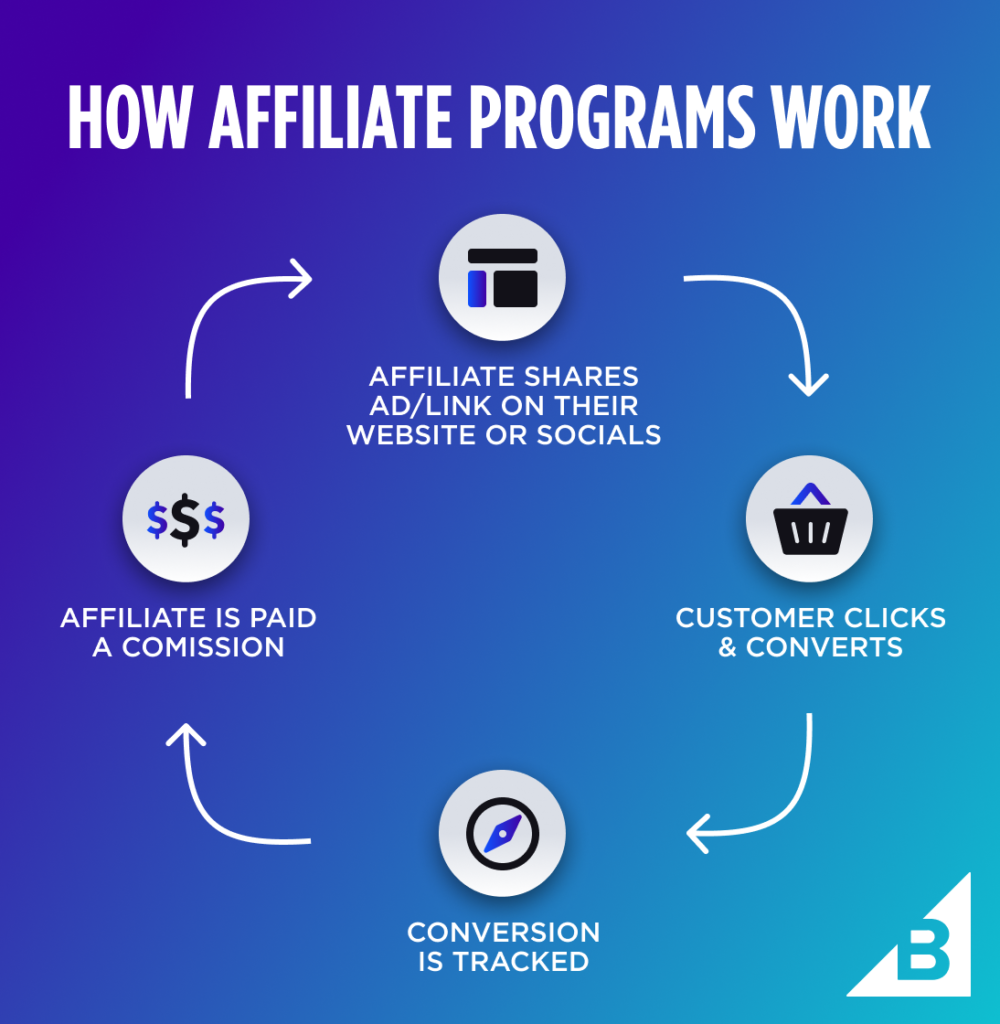
Ethical affiliate marketing is simple: recommend only what fits the problem you’re solving, and make it obvious when a link is an affiliate link.
Here’s a clean, trust-first way to do it:
- Teach first: explain the decision and the options.
- Recommend second: present one or two logical choices.
- Link last: give a clear next step with honest language.
When people are anxious or overwhelmed, clarity converts. Not pressure.
What to avoid (because it backfires)
- Fake urgency (“buy now before it’s gone forever”)
- Overpromising income outcomes
- Reviewing products you clearly haven’t used without stating your basis
- “Best product” claims with no criteria
Instead, use “criteria-based” recommendations: what’s best for, who should skip it, and what to choose if it’s not a match.
Common make money online paths
| Model | Upfront cost | Skill level to start | Time to first $ | Scalability | Main downside |
|---|---|---|---|---|---|
| Freelancing / services | Low | Medium | Faster (often weeks) | Medium | Income tied to your hours |
| Dropshipping / eCom | Medium | Medium–High | Unpredictable | High | Customer service + ads risk |
| Content + affiliate marketing | Low | Beginner–Medium | Slower (often months) | High | Requires consistency before compounding |
| YouTube / social creator | Low–Medium | Medium | Unpredictable | High | Algorithm volatility + production load |
| Digital products | Low–Medium | Medium–High | Medium | High | Needs trust + audience to convert well |
The strategy in this post is aimed at the sweet spot: low upfront cost + high long-term scalability.
The “Monday-to-Friday” workflow (so you don’t burn out)
If your plan requires 6 hours a day forever, it’s not a plan—it’s a fantasy. Here’s a realistic weekly rhythm that works for busy people:
- Monday: pick one keyword + outline one post
- Tuesday: write the first half
- Wednesday: finish + add internal links + publish
- Thursday: create one supporting asset (pin, short video, email, or quick social post)
- Friday: update one older post (add a section, clarify answers, improve headings)
That’s how you build an asset library without needing heroic motivation.
Internal links to keep readers moving (and help SEO)
Internal linking is how you turn “one post” into a real website. Here are three strong next steps on OnlineAffiliate.net that fit this strategy:
- A Practical 4-Step Make Money Online Affiliate Business Plan
- Wealthy Affiliate Review: Is It Really Worth It?
- Wealthy Affiliate FAQ (Quick Answers for Beginners)
Use these as “next step” links throughout your content—especially after you explain a concept your reader may want to explore deeper.
If you want a writing-focused companion resource alongside your affiliate strategy, these reader-friendly guides on CanIBeAWriter.com can pair well with the workflow in this post:
- CanIBeAWriter.com (Writing improvement and practical publishing guidance)
- Writing Blog Hub (If this URL differs on your site, swap it for your correct blog index link.)
Where most beginners get stuck (and how to break through)
Stuck point #1: “I don’t know what to write about.”
Fix it by writing posts that start with these phrases:
- “How to…” (step-by-step answers)
- “Best…” (criteria-based recommendations)
- “X vs Y” (comparisons with clear winners for different needs)
- “Is it worth it?” (honest tradeoffs)
Stuck point #2: “I’m not an expert.”
You don’t need to be the world’s top expert. You need to be one chapter ahead of the person you’re helping. Document what you’re learning, cite sources when appropriate, and be clear about what you know from experience versus research.
Stuck point #3: “I published and nothing happened.”
That’s normal. Organic traffic is earned over time. The win is not “one post.” The win is building a site where every post strengthens the others through internal linking and topic coverage.
Ethical affiliate placement, you can copy-paste
Below are three placements that feel natural, help the reader, and don’t interrupt the editorial flow.
Placement 1: “Tools I’d use if I were starting today” box
If you want a guided path (without guessing every step)
If you’d rather follow a structured training path for building a simple affiliate site—niche selection, content planning, SEO basics, and monetization—Wealthy Affiliate is one option many beginners explore. Affiliate disclosure: that link may earn me a commission at no extra cost to you.
Use it as a framework, not a lottery ticket: your results depend on consistency and execution.
Placement 2: “Next step” link after a key concept
When you mention a plan, link to your plan page. For example, after this section, a natural next click is your step-by-step blueprint here: your practical 4-step affiliate business guide.
Placement 3: A short FAQ section that answers buyer questions
This keeps your content AEO-friendly and helps readers make decisions without feeling sold to.
FAQ
What is the easiest way to make money online for beginners?
The easiest way to start is usually services (because you can get paid faster). But the easiest way to scale is often building a simple content asset: publish helpful articles that match what people search for, then monetize with ethical affiliate links that fit the reader’s next step.
Is affiliate marketing still worth it in 2026?
Affiliate marketing can still be worth it when you focus on trust, clarity, and helpful content. The shortcut era is fading, but the “helpful guide that answers the exact question” era is still strong—especially in niches where people want comparisons, setup help, and honest recommendations.
Do I need money to start an online business?
You can start with a very small budget if you build around organic traffic and content. Your biggest investment early on is time and consistency. Paid ads can speed things up later, but they also increase risk if your offer and funnel aren’t proven.
How do beginners choose a niche?
Pick a niche where people (1) search for solutions, (2) spend money, and (3) need ongoing guidance. Then choose a specific angle—beginners, small spaces, budget setups, busy parents, etc.—so your content has a clear identity.
How many blog posts do I need before I see results?
There isn’t a magic number. A better goal is topic coverage: build one strong pillar page and publish supporting posts that answer real questions. Many sites start seeing meaningful traction after dozens of helpful pieces—especially when they interlink well and match search intent.
The simple “start today” checklist
- Choose one niche with real buyer intent.
- Write one pillar page that covers the topic end-to-end.
- Publish 10 supporting posts (how-to, best-of, comparisons).
- Add ethical affiliate offers only where they fit naturally.
- Link everything together so readers always have a next step.
- Update weekly so your best content keeps improving.
If you want a structured track to follow while you build, this is a good companion read on your site: Wealthy Affiliate FAQ (it answers the questions beginners typically ask before committing to a platform).
Final note: the goal is a strategy you can repeat
The best money-making online plan is the one you can still follow when life gets busy. This strategy works because it’s repeatable: solve real problems, publish helpful content, link your site intelligently, and recommend products ethically when they truly fit.
When you’re ready, keep going deeper with your on-site blueprint: A Practical 4-Step Make Money Online Affiliate Business Plan. Then, if you’re considering a guided platform, compare your options with your review: Wealthy Affiliate Review: Is It Really Worth It?.
Affiliate disclosure: Some links in this post may be affiliate links. If you choose to use them, I may earn a commission at no additional cost to you. I only recommend tools that align with the specific goal of this guide: helping beginners build a real, sustainable online income asset.