
The first thing you write about might already be clamped to your desk.
Say a reader wants a clamp-on lamp for a narrow desk. The listing gives the clamp’s maximum opening. Their desk has a lip underneath, right where the clamp needs to grip. A photo from below and a few measurements could save them from ordering a lamp they can’t mount.
That’s a useful affiliate article waiting to be written. Take a look at something you use regularly, then think back to the detail you wish someone had told you before you bought it.
Do you need to buy products to start affiliate marketing?
You can start affiliate marketing without buying products. Review an item you’ve used, write a how-to around a task you can show, or build a buying guide from reliable sources. A good first post helps one reader make one choice, with enough evidence to explain your advice.
Pick the article your evidence can support
Look around for something you’ve adjusted, cleaned, repaired, compared, or helped someone set up. Those moments give you details a product listing rarely answers. Choose a question narrow enough to solve with the evidence you can gather.
Three article formats using the same lamp example
Format | When it fits | Possible headline |
|---|---|---|
Hands-on review | You’ve used the item and can describe the model, setup, and limits of that use. | How This Clamp Lamp Fits My Narrow Desk |
How-to guide | You can demonstrate a task and show the reader how to repeat it. | How to Measure Your Desk for a Clamp Lamp |
Buying guide | You can verify the specifications and explain how they affect the buyer’s choice. | Clamp-On or Freestanding Lamp? What to Check Before Buying |
If all you can demonstrate is how that clamp fits one desk, you already have a focused how-to. A hands-on review can go further when you have enough use to describe what the lamp is like day to day.
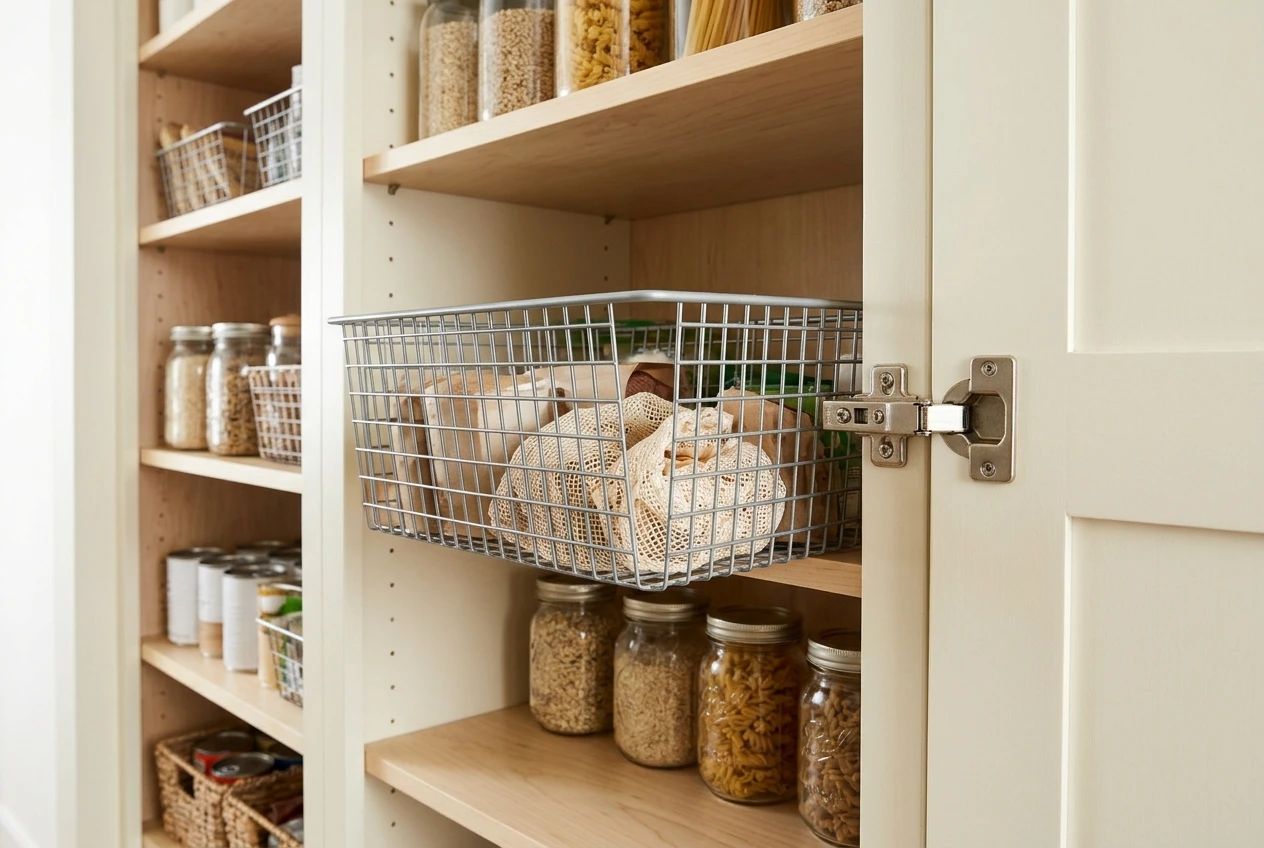
The same question works in other niches. Someone buying pantry bins may need to know if the bin clears a cabinet hinge on the way out. Someone choosing a tackle tray may need to know whether the lid still shuts with their longest lure inside. The useful detail is the one they can check before they order.
Show the part the buyer wants to see
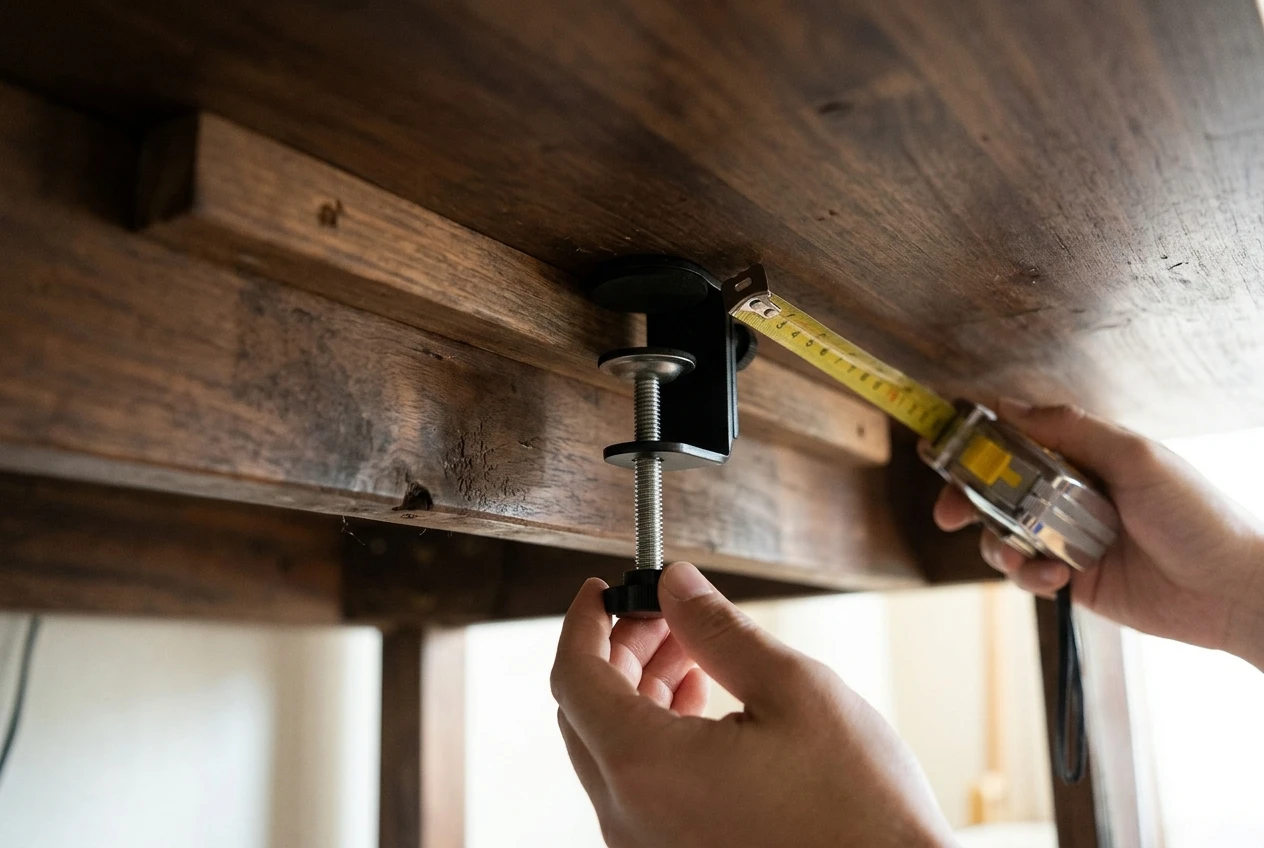
For our example, a close photo of the clamp from below shows where the bottom pad lands. Measure the desk at the intended mounting point. Check how much flat space is available for the bottom pad and whether you can reach and turn the screw. Then compare those observations with the mounting instructions for the exact lamp model.
What to record before you write
- What you sawWhere the pad sat and whether there was room to turn the screw on your setup.
- What you verifiedThe exact model’s stated clamp opening and any mounting requirements in its manual.
- What’s still openFit on other desk shapes or any clearance the manufacturer leaves unspecified.
Write captions that explain what the photo shows, such as “Here’s where the desk lip meets the lower clamp pad.” When you borrow an item for a short session, give the reader the time and conditions of your test. Google’s review guidance recommends showing evidence of your own experience and explaining the factors that matter to a decision. Google’s guide to writing reviews.
How to word a finding so readers can use it
“On a desk with a lip underneath, check that the lower pad can sit flat and that you have room to turn the screw. Ask for a dimensioned mounting diagram if the manual leaves that clearance out.”
That’s a sample passage, using an illustrative setup. For your own article, add the model and your actual observations. A researched guide can make the same check useful by linking to the manual and telling the reader which dimension to look for. If a company sends you a free sample to review, clearly disclose that connection near your recommendation. FTC endorsement guidance.
Your first-article planner
Pick one item or routine and write down what a reader can learn from it. Copy your notes before you leave this page.
What can I use or inspect?
Who needs help with which decision?
What can I show or verify?
Which format fits, and what should the reader do next?
Use these notes for the first three steps of the 7-Day Beginner Test. When your question and evidence are clear, build the draft with the first useful affiliate page blueprint.
Take that draft idea into Wealthy Affiliate Starter
If you’d like your plan and a practice website in one place, try this question in Wealthy Affiliate’s free Starter account. The platform lists a first Hub, its planning assistant Ace, and one practice site. Starter is $0 and requires no credit card. Plan details checked November 14, 2026. Official Wealthy Affiliate plans.
From your notes to a first outline
- Bring one questionChoose Start free, sign up with email or Google, and use your reader’s problem as your starting topic.
- Check your Hub’s planIf you use Ace, include the item you have, the evidence you can collect, and what you still need to confirm.
- Outline one articleKeep the reader’s question at the top and add a spot for your photo, measurement, or source.
Give Ace a brief like this. “Help me outline a guide for someone fitting a clamp lamp to a desk with a lip. Leave spaces for my photo, the measurements I take, and the exact model’s mounting instructions. Mark unknown fit details for me to verify.”
Your finish line for the first session is an outline you can explain and a short list of details to check. You can use your own subject, from garden tools to home office gear. How to use Wealthy Affiliate for your own niche.
Affiliate disclosure. OnlineAffiliate.net may earn a commission if you follow the link below and later buy a qualifying membership, at no extra cost to you. Read our affiliate disclosure.
Start Free With Wealthy Affiliate
Opens in a new tab.
Four-question knowledge check
Pick one answer per question, then open the explanation to check your choice.
1. What would help a reader with a desk lip?A photo of the lamp switched onA view under the desk and measurements at the clampThe color choices in the listingCheck answer 1
2. You borrowed the lamp for half an hour. What can you claim?Long-term durability across different setupsComfort after several nights of readingWhat you observed in that specific sessionCheck answer 2
3. You have the manuals but haven’t used the products. Which format fits?A buying guide based on documented requirementsA hands-on comparison with test scoresA long-term review of each modelCheck answer 3
4. What makes a useful first Starter session?Opening a Hub for every topic you can think ofOutlining one reader question with evidence you can gatherChoosing a paid tier before you have a projectCheck answer 4
Frequently asked questions
Can I write about a product I bought years ago?
Yes. Identify the version you used and check whether the current model has changed. A guide to fit, setup, or upkeep can still help if the older model is out of stock.
Can I publish my first article without an affiliate link?
Yes. A useful answer can stand on its own. Add a referral link later if it helps the reader take a sensible next step, and disclose your commission relationship near the link.
What if I already own several things I could write about?
Start with the item that brings a specific question to mind. If someone has asked why you mounted a lamp halfway along the desk edge, you already have a question and a setup you can show.
Do I need to buy a domain for the Starter exercise?
You can plan the article before you decide on a domain. If you want to try the practice site, Wealthy Affiliate says the included site uses a SiteRubix address.
What do you already own that could help someone?
Tell us in the comments what it is and the one thing you wish you’d known before you bought or used it. Finish this sentence. “I use ___, and I wish someone had shown me ___.” That second blank might be your first headline.
When your first article goes live, use the post-publish checklist to see if a reader can put it to work.
