The draft is ready. You move your cursor toward Publish, picture a former coworker reading the first paragraph, and decide that first sentence needs another rewrite.
Before you change it, picture the person who would be glad to find the article. What were they trying to do five minutes before they opened it?
How do you write your first blog post for one person?
Write down one reader’s question in their own words. Say your reply out loud as if you were leaving them a voice message. Put the answer in the first two or three sentences, show one example, and end with a step they can take today.
Pick a reader who’s already stuck
Think of someone who has asked for help, or find a question that keeps coming up in a community you follow. Write down what the reader wants to do, what they’ve already tried, the words they use to ask for help, and what they could do with a good answer.
For this example, picture someone with half an hour after work and an empty blog draft. They’ve picked a topic for an affiliate website. Their question is, “Can I get my first post started tonight?” They need a first writing session they can finish before they call it a night.
Keep those details above your draft as you write. Use the ones that change your advice, like the half hour this reader has after work. Keep names and identifying details in your private notes.
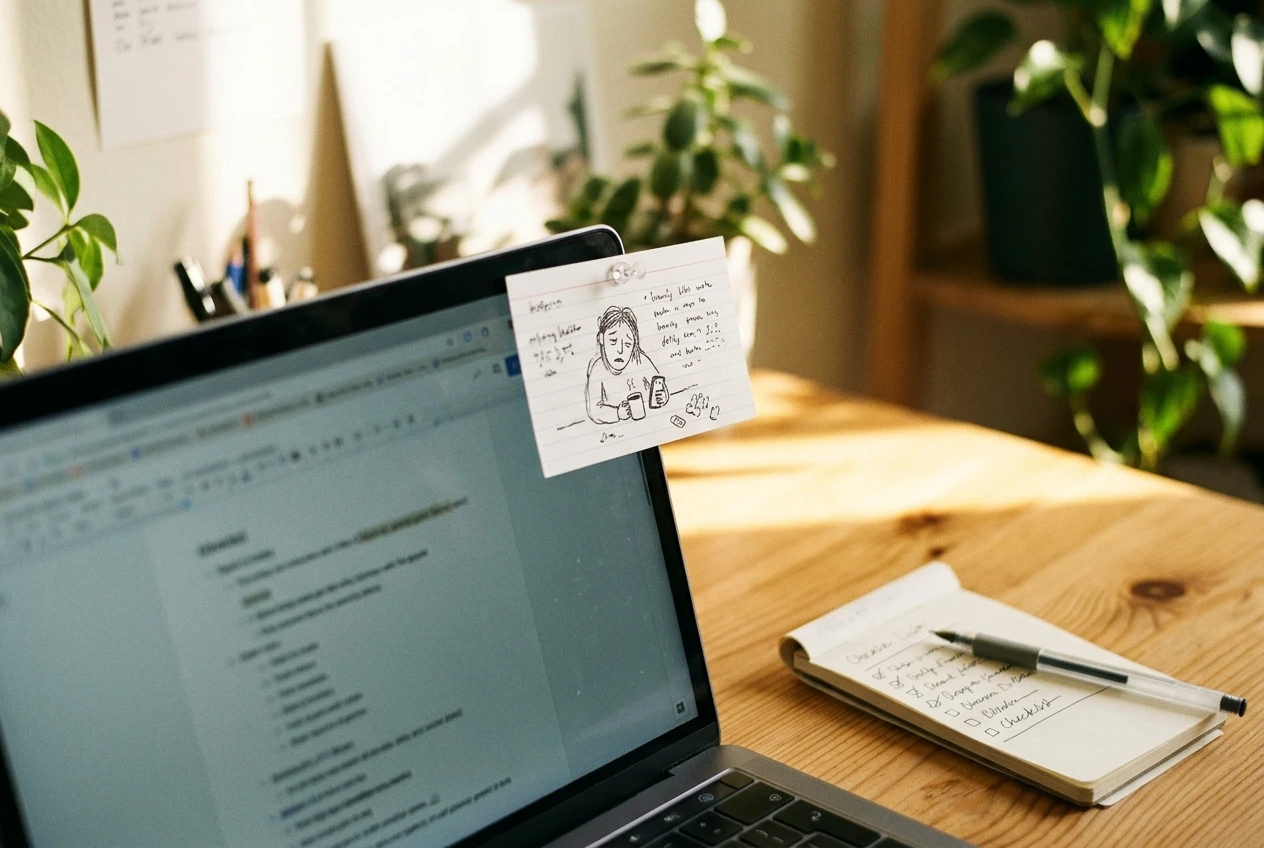
Say the reply out loud
Read the reader’s question once. Then answer it the way you would if they asked you across the table. A voice memo can help you hear where you finally get to the point.
Listen for the first sentence that gives them something to do. Move it up. If you hear yourself say “it depends,” finish the thought. The detail it depends on might be the sentence they needed most.
Build the post from your reply
- Answer. Give the reader the short reply near the top.
- Show. Walk through an example that fits their situation.
- Send them on. Give them one clear action to take next.
What changes when you picture one reader?
Broad opening
“Affiliate marketing can be a way to build an online business. This guide covers the basics of getting started.”
Reply to one reader
“If you have half an hour tonight, spend five minutes writing one question you can answer and a two-sentence reply. Give yourself ten minutes to think through an example. Use the last fifteen to put both in your draft and write down what the reader should do next.”
That reply gives this reader a stopping point for tonight. They can pick the draft up tomorrow and check any facts before they publish. The same approach carries over to a recommendation. See how to write a product review as if you were advising a friend.

Plan your first post in four lines
Copy these prompts into your draft and fill them in.
- I’m writing for someone who is trying to ___ and has already tried ___.
- The question they’d ask me is ___.
- My two-sentence reply begins with ___.
- By the end, they can ___.
Once that first answer is drafted, write down what the same person would ask next. Save it as a follow-up idea in the Five-Post Launch Planner.
Give the draft a 10-minute check
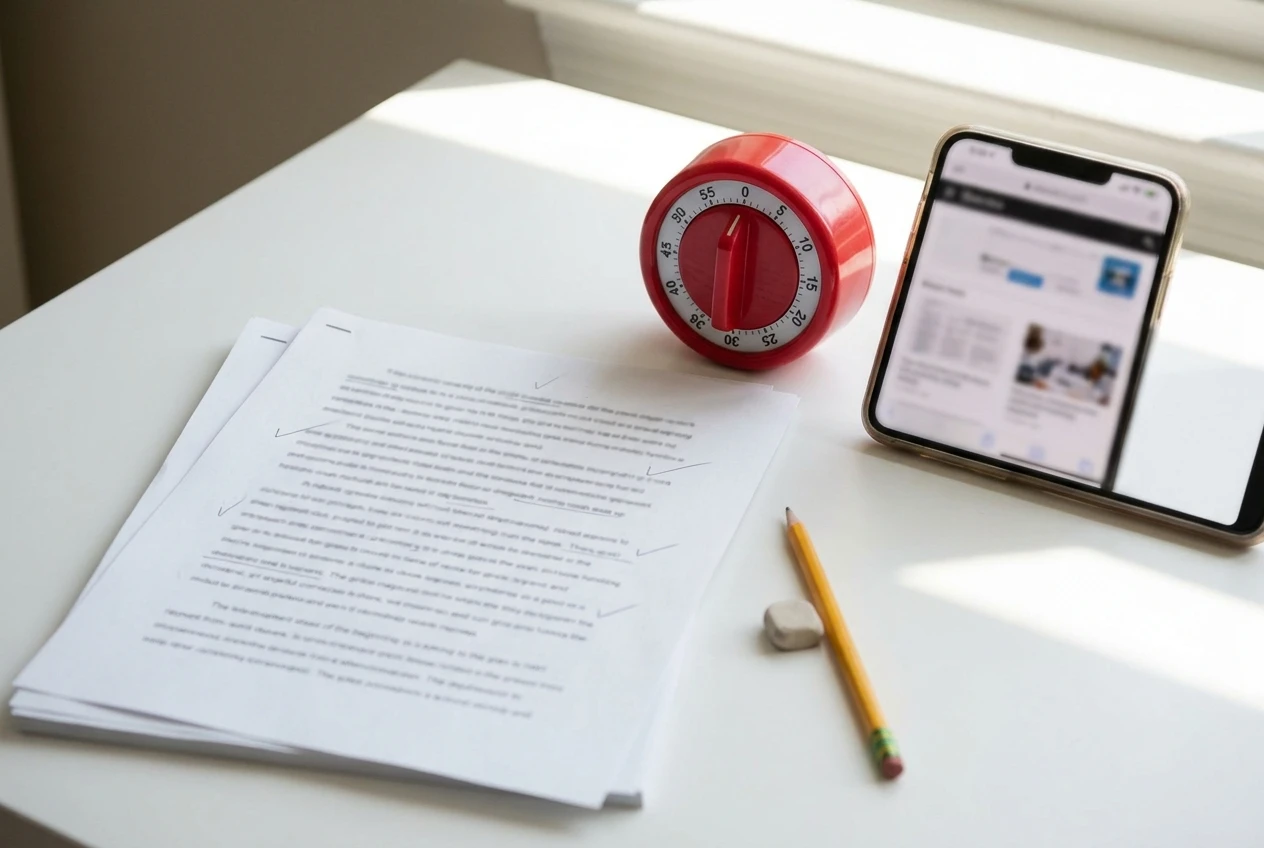
Pick a time to publish. Once you have your sources and the draft in the editor, take a short break. Come back, set a timer for ten minutes, and make one pass as a reader.
- Read the headline and opening aloud. Check that they promise and deliver the same answer.
- Verify the details. Check names, facts, and links. If you use a referral link, make the commission disclosure easy to see before the link.
- Preview on a phone. Check that the headings and links are easy to use and that the final step is easy to find.
- Check where it will go. If you’ve connected a newsletter or automatic social sharing, review those settings before you publish.
Fix a factual error or a broken link you find. If the draft passes the check and you’re still moving commas, use the time you picked for publishing.
What if someone you know sees it?
A public post can be read and shared. You can choose how widely you announce it. If you want to publish without emailing subscribers through Jetpack Newsletter, turn off Send this post to subscribers in the block editor before publishing. See Jetpack’s publishing settings.
When you’re ready to share the link, try one person who could use the article. Ask, “After reading this, what would you do next?” If they hesitate, you have a place to look when you edit. If the site setup itself is holding you up, use the guide to publishing before your website feels finished.
Four-question knowledge check
Choose A or B, then open each answer to check your reasoning.
1. Which description gives you a useful reader to picture?
A. Anyone curious about affiliate marketing.
B. Someone with a blank draft and half an hour after work.
Show answer 1
B. You can write a realistic next step because you know what they have to work with.
2. You said the clearest answer near the end of your voice memo. Where should it go?
A. In the opening.
B. At the end, in the order you said it.
Show answer 2
A. Lead with the reply, then use the rest of the post to explain it.
3. You find a factual claim you can’t verify. What do you fix first?
A. The heading color.
B. The claim.
Show answer 3
B. Find a reliable source, qualify the claim to match the evidence, or cut it.
4. Which feedback question gives you something specific to improve?
A. “After reading this, what would you do next?”
B. “Do you like it?”
Show answer 4
A. The answer tells you whether your next step is clear enough for someone to follow.
Frequently asked questions
What if I haven’t met anyone who fits?
Start with a real question you’ve seen asked. Use public discussions to understand the situation, then describe it in your own words. The reader you picture can be a composite if their goal and circumstances are specific.
What if my first draft tries to cover too much?
Put the reader’s question above the first paragraph. Move any section that answers a different question into your notes for a later post. Read the first and last paragraphs together to check that they still help the same person.
What should I do just after I publish?
Open the public URL on your phone while signed out. Check the opening, links, and next step. Then write down one question the article leaves open. Use this checklist for your first review after publishing.
Who is your first post for?
Open your draft and write the question your reader would ask. Share the question in the comments, along with the situation that makes it hard to answer. “Can I get my first post started with half an hour after work?” gives us something we can work with.
